What My Bathroom Habits Reveal About Solitude
Why do I have habits others find strange and what do they tell me about myself?
I like to take long, hot showers — the kind of showers that make people start wondering where I went for so long.
And — don’t judge me — I like to stay in the bathroom longer than most people as well. My phone probably makes this worse, but it isn’t the cause of it. I’ve been this way a long time.
When I was at my last job in the Air Force, most days were a blur of meetings stacked on top of meetings. By midafternoon, I was usually peopled out.
If I found myself at my desk catching up on email or paperwork and needed to use the facilities, I’d slip into a stall and stay there for ten or fifteen minutes. Long enough to feel human again. Short enough that no one would come looking for me.
This morning, standing in yet another hot shower, I started thinking about that pattern — and about why I have these little habits (and others I won’t mention). They’ve been part of my life for years, which suggests they’re doing something for me. Otherwise, I would’ve grown out of them by now.
What struck me wasn’t the habit itself, but how consistent it’s been. Different jobs. Different seasons of life. Same behavior: lingering in small, private places, often when the rest of the world felt loud, busy, or demanding.
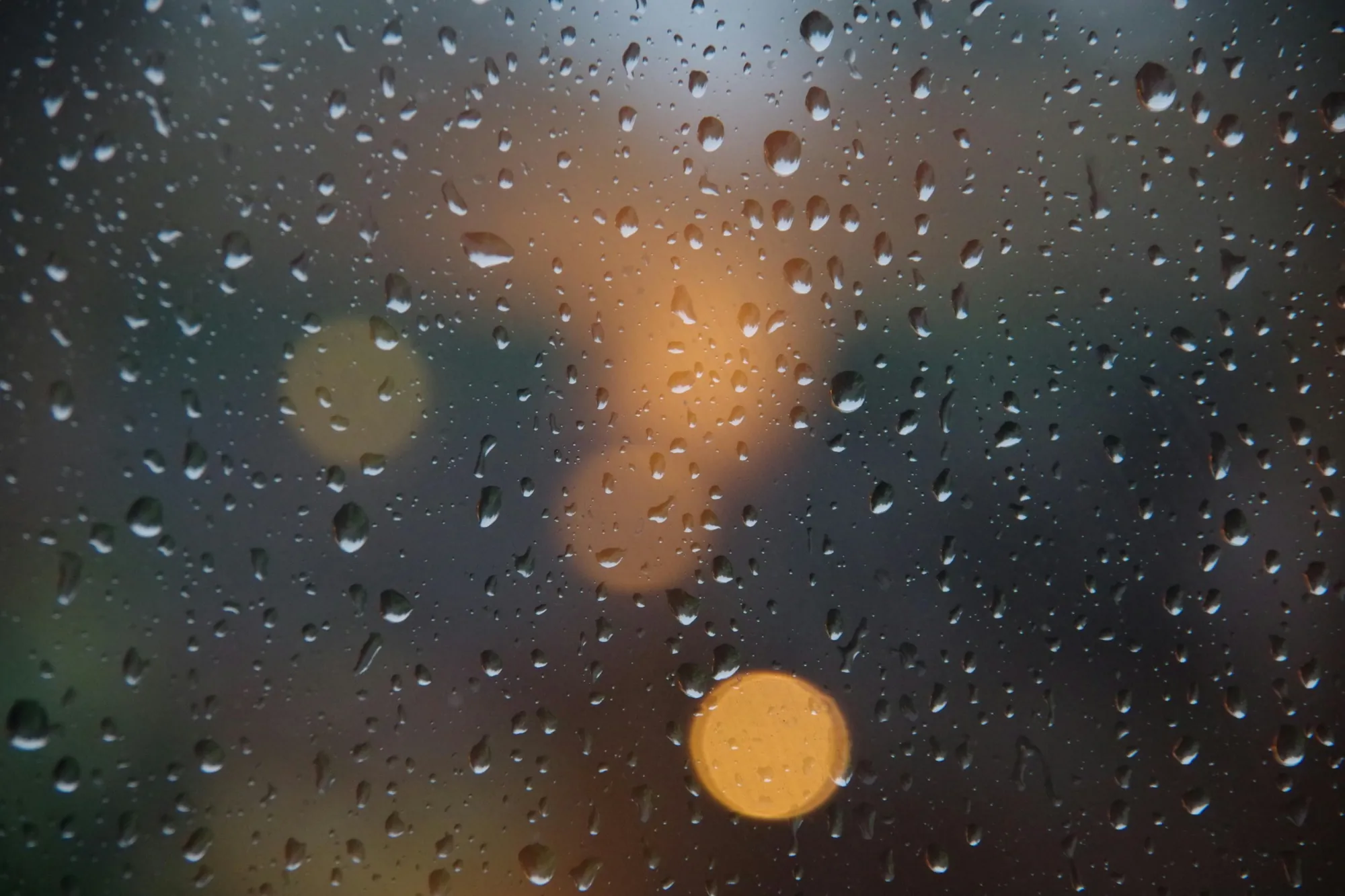
When I look at those spaces honestly, they all have a few things in common. They’re small. They’re predictable. I can control them completely. And — perhaps most importantly — it’s very unlikely anyone will bother me there.
No one asks follow-up questions in a shower. No one schedules meetings in bathroom stalls.
Those spaces give my mind something it doesn’t get very often: uninterrupted room to wander. Not to solve anything in particular. Just to settle. To drift. To catch up with itself.
It turns out that the idea of solitude as a mental reset isn’t just something I made up. Psychological research points to solitude as a state that can provide quiet space for reflection, concentration, and emotional regulation — even if people seek it unintentionally or without naming it that way. [1]
Studies have found that when people are alone — defined simply as the absence of social interaction — they often experience a kind of down-regulation of stress and an opportunity to reset from high cognitive or emotional load. [2]
Other research has shown that solitude, in the right doses, can promote relaxation and psychological well-being because it allows a person to engage with their inner world without interruption. [3]
Even popular accounts of this phenomenon have picked up the trend. In cultural reporting on so-called “bathroom camping,” people describe retreating to restrooms — sometimes for extended periods — not because they need to use a toilet, but because those small, enclosed spaces offer a moment of relief from social overwhelm or overstimulation. [4]
What most of the literature points to — and what resonates with my own experience — is that brief, self-selected alone time often serves a different function: it’s a momentary cognitive and emotional pause.
In that light, my habits start to look less like odd quirks and more like functional preferences. Not pathological. Not dramatic. Just a strategy my mind adopted — quietly, without fanfare — to carve out space when the world demands too much.
What’s interesting isn’t that I do these things. It’s that I never consciously decided to. I didn’t sit down one day and think, I should start hiding in bathrooms for mental clarity. The behavior showed up on its own and stuck around because it served a purpose I wasn’t even fully aware of.
That makes me wonder how many other “quirky” habits operate the same way. The ones we joke about. The ones we quietly defend. The ones that don’t hurt anyone and don’t really need fixing — they just seem to meet some unspoken need.
Seen that way, weirdness isn’t a flaw to correct or work on. It’s just information — a small signal pointing to something the mind or body is asking for, even if we haven’t learned the language yet.
I’m certain I’ll keep taking long showers. I’ll very likely continue lingering a bit longer than necessary in quiet, enclosed spaces. Not because I’ve solved anything (or want to) — but because I’ve noticed something.
References
[1] Solitude and Psychological Functioning: A Review of Contemporary Perspectives
https://pmc.ncbi.nlm.nih.gov/articles/PMC12160072/
[2] Alone Time, Stress Reduction, and Emotional Regulation
https://pmc.ncbi.nlm.nih.gov/articles/PMC11705522/
[3] The Benefits of Solitude for Well-Being and Self-Regulation (Social and Personality Psychology Compass) https://compass.onlinelibrary.wiley.com/doi/10.1111/spc3.70020
[4] Is “Bathroom Camping” Gen Z’s New Escape? (The Economic Times)
https://economictimes.indiatimes.com/magazines/panache/is-bathroom-camping-gen-zs-new-escape-the-viral-mental-health-trend-no-one-saw-coming
If you’d like to know when I post more articles,
please enter your e-mail below.
Most Recent Posts
-
Why I Was Working But Making No Progress (and What Fixed It)
The particular frustration of working all day and still feeling like nothing has moved.
-
Unseen Work to Build Families
Dedicated people make the world work, almost always in ways nobody sees.
-

Why Your ChatGPT Images Keep Getting Worse (and the Simple Fix That Changes Everything)
Your image is almost right and one more tweak makes it worse. Here’s how to break the cycle.
-

Living in Yesterday’s Provision
Are you already living inside answers to prayers you’ve long forgotten praying?
-

Living in Healthy Tension
What My Unraveling Life Taught Me About Stability, Health, and Relationships
-
What AI Actually Teaches You (That No One Mentions)
Just like anything worthwhile, learning to use AI takes effort, failure, and lots of time.